We can't wait to see you
Join us this Sunday at 10:00 a.m. for our morning worship!

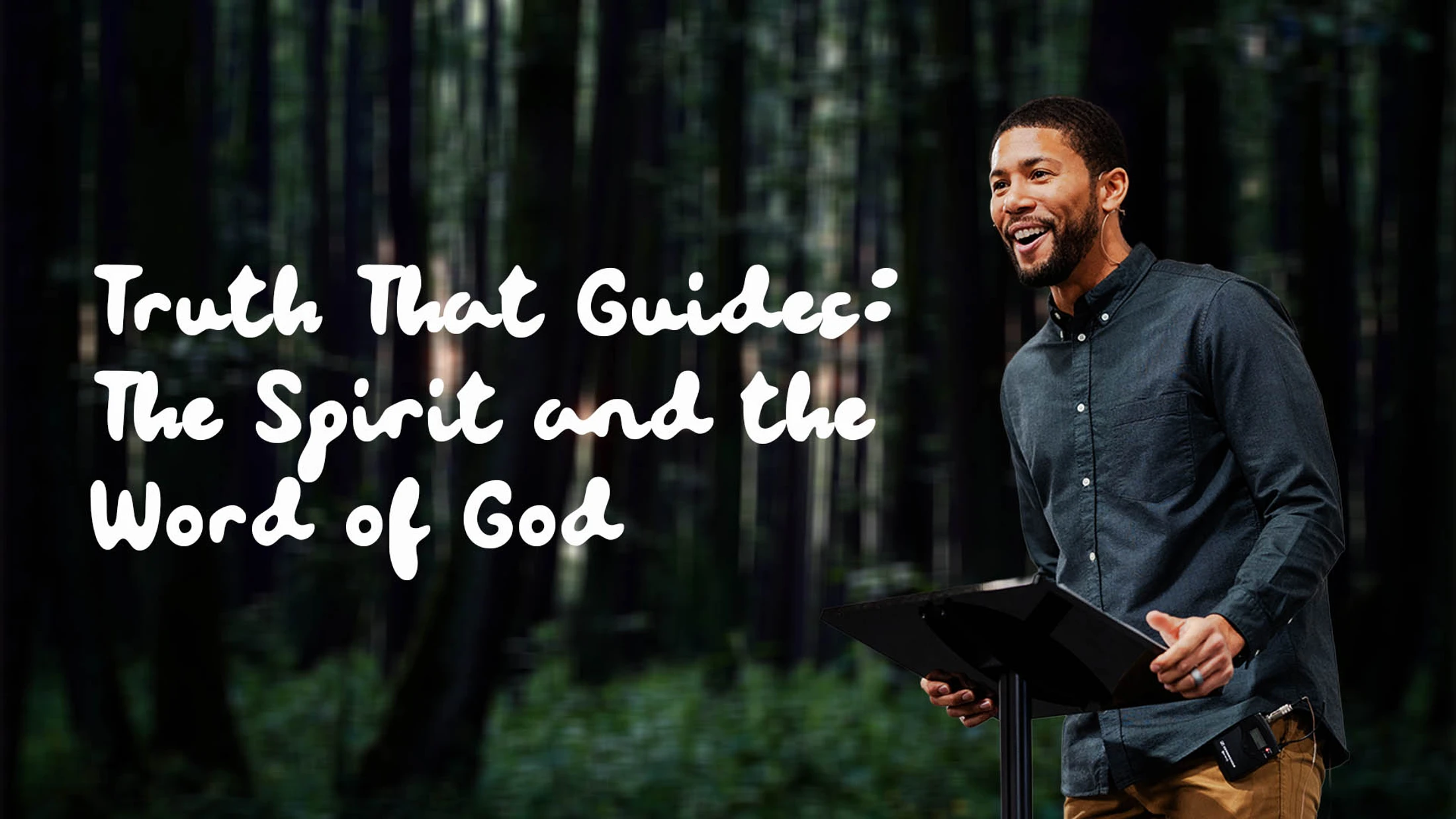
You are joining us as we are in our sermon series, the Next Right Thing, A Way of Discernment. And so I want to share with you. Rich mentioned that I work for Young Life, and I have been for over a decade. And in 2022, I was in a particularly tough season, and a lot of that stemmed from my work. We were navigating life of how do you do ministry through Covid. And by 2022, we had taken a lot of losses. We had lost about half of our volunteers across Columbus. A lot of our ministries were struggling with the inability to be with kids regularly during that time. And so as the leader of the ministry here in Columbus, I was a part of a discernment process in deciding which ministries to keep and which ministries that we would unfortunately have to let go. And at the end of that process, I was scheduled for a sabbatical. And as I, you know, went into my sabbatical, I think saying that I limped into it would be an understatement. And so, besides refreshment, besides desiring closer proximity to God and time with my family during that sabbatical, I knew that during that time I was also going to be wrestling and discerning the question if I was going to continue with my job or if I was going to change careers. Coming out of that time, and after much time in solitude, silence, prayer, discussion with friends and mentors, I found myself coming to the place of feeling like the right decision was for me to leave the role that I had at that time. Interestingly, though, if you had asked me if there was any kind of, you know, particular passage from the scripture or verse that was influencing that decision, up until that point, I wouldn't have been able to point to something in particular. However, as I ended a time in solitude, I was coming back home. I pulled into my driveway, I was listening to worship music, and the song Shall Not Want by Maverick City came on. I don't know if it was I was just listening to Pandora as it was random, or if I finally made it past Jireh on the album and got, you know, to another song. But shout out what came on, okay? And if you aren't familiar with that song, it centers the promises of Psalm 23 as it speaks about God leading and guiding us in times of uncertainty and hardship. As I listen to the songwriters build on Psalm 23, an unexpected emotional release happened. I began to weep in my car, in my driveway. The refrain of the song says this. I shall not want. I shall not want. Cause my soul's got A shepherd in the valley and I shall not want, I shall not want, I shall not want Cause my cup's running over, running over and I shall not want and later the bridge says I've got everything that I need. Your goodness and your mercy is following me. As I listened to the promises of Psalm 23 through the song, those promises became true for me. In that moment, I realized and began to believe that God is truly leading and guiding me in my decision. I began to believe that I was going to be okay to make the change. I began to believe that I would be able to face the fears of the unknown, of change, of navigating what people were going to think of me for my decision. Knowing that I had a good shepherd and believing that to be true was confirmation that I needed to leave the role I was in at the time. I decided to leave the role, and I couldn't have predicted how that set in motion a series of events that led me to my current role within the mission now, which is the kind of role that I had been desiring but didn't think was possible at that time. The Word had spoken to me in an unexpected way, but it was in the very way that I needed. So I share this story with you because today we wanted to explore how the Scriptures speak to us, how the Holy Spirit uses the Scriptures to speak to us in our discernment. So let's turn to the Word as we explore this role of the Scripture in our discernment process. So if you're able, would you please stand with me as we read our word for today? It'll be Psalm 25, verses 1 through 10 says this O Lord, I I give my life to you. I trust in you, my God. Do not let me be disgraced or let my enemies rejoice in my defeat. No one who trusts in you will ever be disgraced. But disgrace comes to those who try to deceive others. Show me the right path, O Lord. Point out the road for me to follow. Lead me by your truth and teach me, for you are the God who saves me. All day long I put my hope in you. Remember, O Lord, your compassion and unfailing love, which you have shown from long ages past. Do not remember that the rebellious sins of my youth remember me in the light of your unfailing love, for you are merciful, O Lord. The Lord is good and does what is right. He shows the proper path to those who go astray. He leads the humble in doing right, teaching them his way. The Lord leads with unfailing love and faithfulness, all who keep his covenant and obey his demands. This is the word of the Lord and the people said, let this word fill our minds, flow from our mouths and free our hearts so we can live as a beloved children of God. You may be seated if you're taking notes today. The title of our sermon is the Truth that Guides the Spirit and the Word of God. And as a reminder of what we mean as we navigate the sermon series of our definition or how we're defining discernment together, I want to remind us of Pastor Rich's definition that he shared with us last week. That discernment is the spiritual practice of recognizing God's presence, listening for God's voice, and choosing the path that deepens our union with the divine not just once, but in each moment of our lives. So as we explore today and how the Holy Spirit speaks to us through Scripture and helping our discernment, there are four things I want to highlight for us. That discernment through scripture starts with surrender. It calls for trust in the character of God. It reveals more of who we are and aligns us with God's unfailing love. So first, let's take a look at how discernment through Scripture starts with surrender. David opens the psalm by saying, oh Lord, I give my life to you. I trust in you, my God. So David is prefacing his petitions for guidance and direction with a posture of surrender. He essentially is starting out his prayer by saying, God, however it is that you're going to guide me. Whatever it is, Holy Spirit, that you're going to say to me, wherever you are going to take me, I trust you. He isn't bartering or demanding from God. He's recognized that discernment from God is something that we receive, not something we take. He's believing that this posture of surrender is a prerequisite to our ability to recognize God's presence and listen to God's voice. But here's the thing. If we're real and honest, surrender is hard. Surrender requires being vulnerable. Being vulnerable means we're more able to be hurt. Surrender requires trust. What is it that David is trusting in that would give him the confidence to surrender himself before God? It's a trust in God's character revealed to him throughout his life and as revealed throughout Scripture. And that takes us to our next point. That discernment through Scripture calls for trust in the character of God. He says in verse six, Remember, O Lord, your compassion and unfailing love, which you have shown from long ages past. So David believes that he is calling on the same God who was merciful and compassionate to his ancestors. He's confident that the way God described himself to Moses as merciful and compassionate and filled with unfailing love in Exodus 34, verses 5 and 6 is still true in his day. He also believes that God's affections for his people hasn't changed and that God desires to treat him with mercy and compassion just as he treated his ancestors. So as we see David interact with the Scriptures and his confidence in who they reveal God to be the God of the Scriptures, we see this. We see that Scripture is the Spirit inspired witness to God's character and action across time. It forms our imagination and tells us the story that we're living in and reveals the faithful work of God in the past, present and in our future. I'll say that again, the Scripture is the Spirit inspired witness to God's character and action across time. It forms our imagination. It tells us the story we're living in and reveals the faithful work of God past, present and future. But I know, as I share this invitation, for us to trust that the Scriptures are reliable, to tell us who the God of the Scriptures are. They give an accurate picture of the God of the universe. And there can be some tension. For us as 21st century Westerners, I think there's many parts of Scripture that are really hard for us to understand or see how God can be so good when it seems like he ignored so much hardship and evil. We have a robust history and a robust present where we see that Scripture is misused and abused and the Bible is used for people's own ends, people's own wants and desires, more often than not at the expense and the exploitation of other image bearers. And we've had many, maybe we've had seasons in our lives where we ourselves have engaged with the Scriptures in the hopes that there would be transformation and direction in our lives. But we didn't see that change take place. So it isn't common for us to have perspectives about Scripture that can cause us to be suspicious. And so if you felt that way or are feeling that way, you're not alone. But because of our trust in God's character, who the Scriptures reveal God to be, we can start to work through that suspicion by filling our gaps of knowledge with trust. When we notice that the misuses or the difficulties of Scripture are becoming a barrier to our trust in the God of the Scriptures, it's our job to differentiate the two and go back to the Bible understanding The original context, reading the Bible in community, being open to diverse perspectives and discovering the real God expressed in the Word. Frederick Douglass and his work the Narrative Life of Frederick Douglass, An American slave gives us an example of having to do that kind of work. He says, I love the pure, peaceable and impartial Christianity of Christ. I therefore hate the corrupt slave, holding women, whipping, cradle plundering, partial and hypocritical Christianity of this land. Indeed, I can see no reason but the most deceitful one for calling the religion of this land Christianity. I look upon it as the climax of all the misnomers, the the boldest of all frauds and the grossest of all libels. He saw the misuse and the misconception of his day, but he worked his way through it and still clung to the truth. Now that Jesus is the Jesus I know he is to be. So when we begin to engage the Scriptures with a baseline of trust, we begin to engage them as we would a trusted friend where hard conversations can happen, right? We engage the Scriptures in the hope and the desire of dialogue. The Scripture speaks to us and it shapes us and it starts to inform our discernment. When we engage Scriptures in the hope and desire of dialogue, the Spirit speaks to us, shapes us and informs our discernment. So it's not only that the Scriptures reveal to us God's character that we can trust and bank on God, but it also reveals more about us. And so we see that the sermon through Scripture reveals more of who we are. David isn't afraid to acknowledge his brokenness before God. He says in verse seven, do not remember the rebellious sins of my youth. Remember me in the light of your unfailing love, for you are merciful, O Lord. So David openly recognizes where he's gone astray, where he's maybe heard God's will in his life. He knew the ways of the Lord and he chose otherwise. He ignored it or he deliberately went against it. He's repenting and recognizing that he's hurt and on God's desires for him and done otherwise. Dr. David Benner, in his work the Gift of Being Yourself, elaborates on this, on the true self, like, who are we really? Who did God make us to be? Not the person we think we should be, not the person we present ourselves to be. Who is it that God made us to be and wants us to become? And he says this about one of Scripture's roles in helping discern God's calling in our life. While the first revelation of our calling is in the Gibbons of our being mean it's in the in workings of our soul and in our self, and it expresses itself in our desires. It's important to note that God's will for us does not always grow naturally out of our wishes. Jonah is a good example of someone whose calling was diametrically opposed to his superficial desires. Moses didn't like public speaking, and Gideon didn't feel courageous. Even Jesus didn't look forward to being crucified. This is the discipline of doing what we don't want to do, but know we should. Doing so can also be transforming. So we can see that in the discernment process there is wrestling, that there will be times where we hear from God and we simply don't want to do what God is asking us to do, or we simply don't like it and we choose not to do it. Or in our humanity, we believe that we're hearing from God and we are doing the best of our abilities to discern with the Lord. And we make a choice. And in time, time reveals as we reflect that, oh, maybe this wasn't the way the Lord was leading me. Maybe this wasn't the path that God had intended for me in either of those cases. These are both not opportunities for us to be critical and feel shame, but they're actually invitations and opportunities for us to again experience the mercy, grace, and compassion of God. For we see that he is someone who wants to take the person who's gone astray and lead them back to the right path. And so while one of the things that the Spirit certainly does as we engage with the Scripture is convict us of sin, I think the Spirit more so and also wants to sing over us and speak to us about our identity in Christ to remind us of who we are. And because the Spirit knows that when we know who we are, we will take the right path. And so here at Sanctuary, after we finish corporately reading Scripture, we pray and we say, may. May it free us to live as a beloved children of God. And essentially as we are in discernment, I think that we can pray that same prayer that we can ask this of God, God, which path, timing, person or people opportunity will more greatly free me to live as the beloved child of God that you have made me to be. So we see that the Word aids in this process. The Spirit speaks to us in this process through the Word, because it's in the Bible that we are reminded of our belovedness. It tells us over and over again that we are chosen and loved by God in, through the Word that we learn about our uniqueness, our gifts, our passions, our talents, and in the ways that those come together and that they inform the way in which we serve and interact with the body of Christ. To quote Benner one more time, he says this. But God does not only create us in uniqueness, God meets us in our uniqueness. God meets us in our individuality, because God wants to fulfill that individuality. God's will for us is that we live out the harmonious expression of our gifts, temperaments, passions and vocation, and truthful dependence on God. Nothing less than this is worthy of being called our true self. Nothing less than this will lead us to our deepest fulfillment. And nothing less than this will will allow us to show the face of Christ to the world that we have been called from eternity to show. And so if you're here and you're looking for guidance of God, who am I? Who did you make me to be? What is my true self? I would invite you to look at passages like Ephesians 4, First Corinthians 12 through 14, Romans 12, these passages that show us the unique gifts and individualities within the body of Christ. I don't want you to look at them alone. You look at those passages inviting the Scripture to teach you and walk with you, and inviting people, people who know you, who love you, who have a history with you, who've seen your passions and actions, who've seen you leverage your gifts unbeknownst to yourself, who can help speak into this process with you. And this because when we lean into who we are, we are more equipped and enabled to build up the body of Christ in love. And that takes us to our final point. That discernment through Scripture aligns us with God's unfailing love. As believers, we should be desiring to submit ourselves and surrender ourselves to God's will. And we want to embody Paul's call. And Romans 12:1 and 2. He says this and so dear brothers and sisters, I plead with you to give your bodies to God because of all that he has done for you. Let them be a living and holy sacrifice, the kind he will find acceptable. That is truly the way to worship him. And don't copy the behavior and customs of this world, but let God transform you into the new person by changing the way you think. Then you will learn to know God's will for you, which is good and pleasing and perfect. I am more familiar in this passage, you know, with the ESV and the niv, where in verse two it you know it Speaks of, you know, don't be conformed to the patterns of this world, but instead be transformed by the renewing of your mind. But I appreciate here how the nlt words, that phrase where it says, don't copy the behavior and customs of this world, but let God transform you into a new person by changing the way you think. If we desire and want to have God to shape our and inform our discernment processes, then we have to begin to think and see the world the way God does. We need to take on a kingdom imagination. What if we really began to see the world not according to human points of view, but instead of spiritual points of view, a spiritual perspective. This need for a kingdom imagination is why Jesus captured hearts and minds with the parables that he told. He was inviting his audience. He was inviting the people to not see things according to human points, but instead to be transformed and to see the world how he sees the world. And so there's a practice for us as we engage with scripture that helps shape and change our imagination. It's when we engage the scripture in the practice of meditation. There's different forms and ways we can meditate on scripture. We've talked about here at Sanctuary, things like lectio divina. But I also want to share a little bit more about a practice that we've also shared here at sanctuary about gospel meditation that Dr. Benner offers to us. He says that the practice of meditation, particularly gospel meditation, is like a way for us to have our knowledge of God and self transformed, that we would not just know about God, but know God personally, which leads to the transformation of self. And so this practice consists of a few things. It's first, pressing pause. As we get into the scripture, we don't want to rush, we don't want to try and have our own agenda, but we pause and we invite the Holy Spirit to guide not just our thinking or our understanding, but our imagination. Because as we're going to slowly read the gospel narrative, what we do then is we want our mind to be free by the Spirit's leading, to imagine what was it like to see and be with Jesus? What was Jesus doing in this moment? What was his facial expression? How was the tone of his voice? What was. How did he look at people? What would it be like to be there looking at his eyes? We center our imagination on Jesus. And then as we reflect and think about what images are brought to our imagination, we're just present to how we get. We envision Jesus, how the Spirit is leading us, and then we Notice our response. What feelings does this cause in me? When I see Jesus look with compassion on that person? What does it make me think? What does it make me feel? And in that we're entering dialogue with the Holy Spirit. And in the Scriptures, he says that this practice provides an opportunity to. To enter specific moments in the life of Jesus and thereby share experiences with Him. Shared experience is the core of any friendship and spirit. Guided meditation on the life of Jesus provides this possibility. So in our practice of meditating on Scripture, God becomes this trusted friend that he is, counseling us through the Spirit and forming our decisions. And so here's a few ways that I think when the Kingdom imagination has captured our hearts and our mind, that it differentiates or separates maybe the way we would go through a discernment process from a worldly perspective versus a kingdom imagination, a kingdom mindset. First, in a worldly mindset, here are the questions or the ways we would maybe go about it. What makes sense? What's the response? That if I put this in front of 10 people, eight out of 10, and say, yeah, I think you should go that way, what just makes sense? How will this benefit me? How will this provide me comfort? How will it help me gain power or status? What will give me greater levels of personal freedom? We see the values of our culture shape the way in which we view and respond to possible discernment pathways. How will this advance my career? How will this make me more secure? Will this make me more the person that I want to be? And our method through all of that is push through and pursue. Push through and pursue. But in the Kingdom mindset, I think there's a different lens, a different imagination that causes us to ask different questions. What is right and good? How. How will this enable me to benefit others? How will this lead me to be more generous? Which will grow my heart? Which will grow my bandwidth to serve? What will lead to greater levels of connectivity with family and neighbors? How will this ensure that I'm leveraging the unique gifts and passions that God has given me? Will this bring me into closer union with God? Will this make me more of the person that God has made me to be? And our method throughout that whole process is to pause and to be still and to let God speak. In 2019, we were pregnant with our son. Sam and Naomi had finished grad school, and we felt like that was a good season for us to go on the journey of trying to buy a house. We didn't want to be those neighbors in the apartment building with the loud, crying babies. Like, let's try and get our own space. And we feel like we're in careers that we feel good about. So we were pretty stable. And so we started house hunting. And so we had identified some neighborhoods around the city that we thought we wanted to live in, and we would go see houses. And it was competitive market at that time, and so we're putting in offers. Well, well, well, well, over asking price. But we felt good about it, thinking that it would hopefully yield us a house in a place that we wanted to be for a long time. And whenever we would put an offer and we'd hear back that we didn't get the house, there would be times where maybe our realtor kind of got a little insider information, was like, hey, we were close. We were kind of one of the final offers they considered, but they went with the other offer. And so I was at a point of, let's keep trying. Let's keep going. We're gonna, you know, we can do this. This is the right time. And my wife, Naomi, who is often and most of the time way more open to asking the question of, well, what could God be wanting us to do? She posed the question, well, what if we pause and what if we really fast and pray about this and wait to see if this is really the right time or the right thing that God wants us to do? So I said, okay, yeah, that makes sense. Yeah, we should do that. You're right. And so we did. We pressed pause on the search actively. And in that time period of the waiting and discerning and praying and waiting for God to lead us, kind of some of the things that I listed out that we, you know, we really value in the world, we took the opposite trajectory. We didn't know what to do with our apartment, so we decided, you know, let's not resign the lease. And then so we had to find a place to live. And so we moved in with Mama Celeste. Okay, so we moved in with my mom, which is the opposite of like, you know, status and everything you want to have happened with my mom, you know, she comes up to Columbus, we have our first kid, we have Sam, and we're just. But we're still in this waiting season, and we don't know how long it's going to last, but we feel like we need to wait. God's going to make it more known and aware to us of when we should get back into the house hunting season. And so by the time it's 2020, you know, we're peak of, you know, shutdown you know, isolation. And so I needed an outlet. And so I was like, in the summer, I was already going playing soccer with people. Every Sunday it's outside, you know, okay, safe. And so I'm going soccer and I'm playing with an old friend of ours, actually a former pastor of ours at a church we used to attend. And, you know, he was aware that we had been praying through, essentially, you know, pursuing a house. We were in a waiting season. And one day as we're on the way to soccer, he says to me, hey, you know, I've been praying and discerning through whether I should go back to seminary or not. And. And we've decided we were going to seminary is in. Is in Pittsburgh. And so we're going to be moving. I know you've been praying about and waiting to see if you want to pursue buying a house. Do you want to buy ours? And my immediate response without praying anybody was like, yes, but let me talk to my wife and pray about it. And that became the process and that God was leading us to. And that's the current house we live in. And I don't share this story to say that, you know, you know, if we had gone the. The former way and maybe God gave us a house and we received the house earlier in the process or keep by continuing to push through, it would still be a good gift from the Lord because God gives all the good gifts. But I'm so grateful for the journey the Lord had us, that his timing was better, that we in the waiting, we got to see God's faithfulness to trust God in the process and. And see God be faithful. And now I have a different perspective and reality of our home, that it really is a gift from God. And so we see that the Holy Spirit empowers scripture to challenge the norms of our world, the norms of our culture that so easily appeal to our desires and inform our discernment. If we receive that challenge, it changes and becomes an invitation, an invitation to have our worldview align with God's ways and purposes which always, always end in greater love of God, neighbor and self. So to close, my question for you is this. Will you allow the Holy Spirit to speak to you through the Scripture so that you can receive a kingdom, imagination that informs your discernment? Let me pray. Father, we thank you that you are good, your character is good, and we can trust you. And thank you for the word made flesh in Jesus, and thank you for the Holy Spirit who points us back to the Scriptures to help us see and be reminded of who you are, who we are, and your purposes in the world. God, I ask that you would fill each and every one of us with a kingdom imagination to see this world and our discernment and our questions and our pathway not from a worldly point of view, but from your perspective. Thank you. That you desire to lead and guide us in everything. We pray that we would have the trust to surrender ourselves to you and have the courage to go where you are leading us. We pray all this in Jesus name. Amen. Amen.